
Lower heating and cooling costs
By slowing heat flow through the ceiling and floor, bulk insulation reduces the energy needed to maintain a comfortable temperature. In Wollert’s climate, this means smaller bills in both winter and summer.
Wollert
Bulk insulation traps still air to slow heat flow through ceilings, walls and floors. In Wollert’s newer homes, it’s the simplest way to cut winter heat loss and summer heat gain through roof spaces and under suspended timber floors.
Share your details and Expert Insulation Melbourne will contact you about Bulk Insulation in Wollert.
Bulk insulation uses materials like glasswool, polyester or rockwool batts to resist the flow of heat. In Wollert’s post-2000 estates with colourbond roofs and suspended floors, it is fitted between ceiling joists, inside wall cavities during renovations, or under floor joists in the subfloor to keep indoor temperatures steadier.
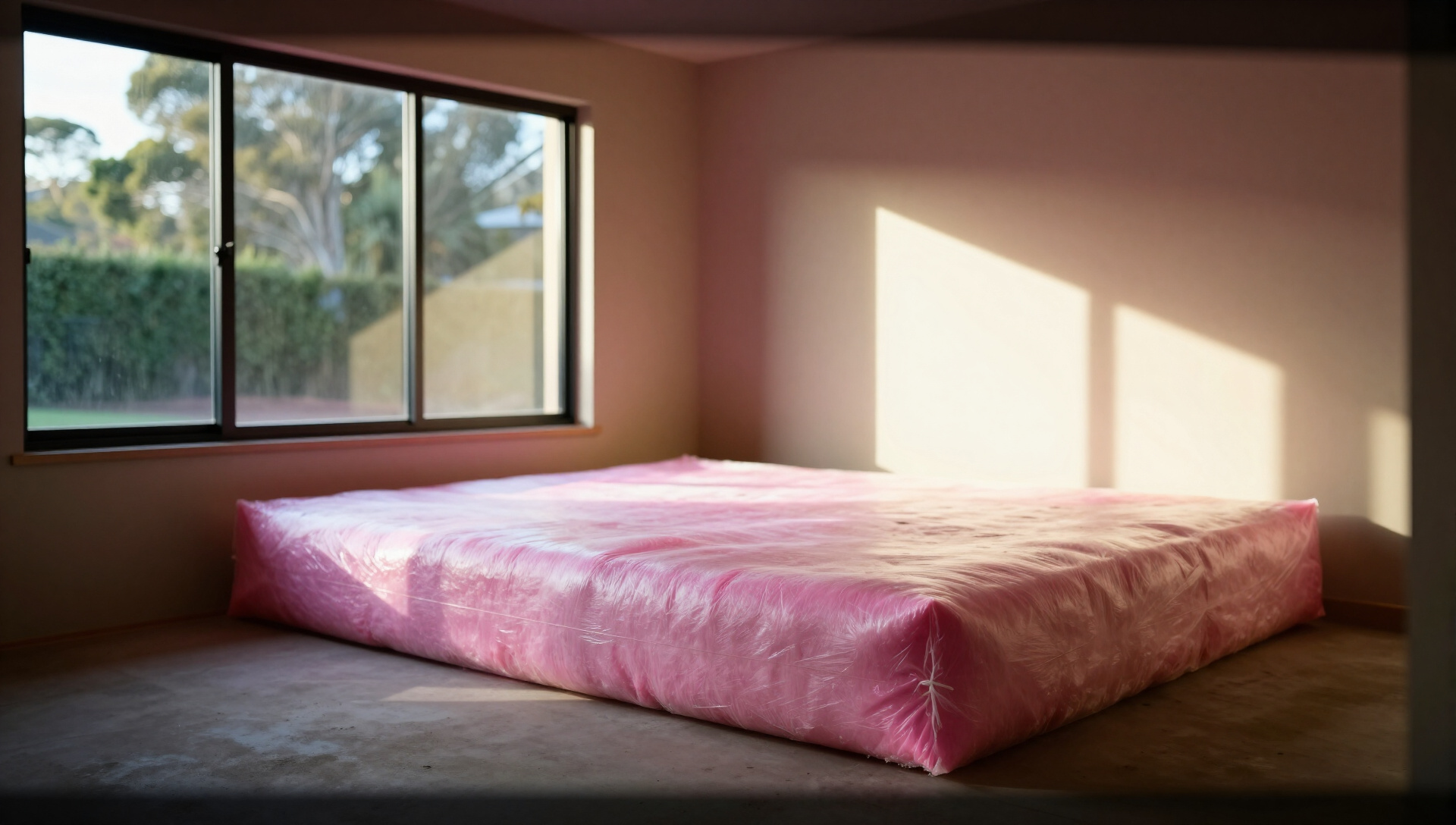
Wollert’s newer homes often have large roof spaces and exposed colourbond roofs that absorb heat. Bulk insulation addresses the main paths of heat transfer to keep living areas comfortable and reduce reliance on heating and cooling.
By slowing heat flow through the ceiling and floor, bulk insulation reduces the energy needed to maintain a comfortable temperature. In Wollert’s climate, this means smaller bills in both winter and summer.
Batts in the ceiling and under the floor moderate temperature swings. Rooms stay warmer in winter and cooler in summer without the heater or air conditioner cycling on and off.
Underfloor batts in the subfloor block air movement through gaps in the floorboards. This stops cold air rising from the crawl space and eliminates draughts at floor level.
Bulk insulation also absorbs sound. Ceiling batts reduce noise from rain on the roof, and wall batts dampen external noise from nearby roads or neighbours.
Glasswool, polyester and rockwool do not settle or degrade over time if installed correctly. They maintain their R-value and thermal resistance for the life of the home.
Bulk insulation can be added to existing Wollert homes by fitting batts between ceiling joists in the roof space or under floor joists in the subfloor. For walls, it is installed during renovations or extensions.
We begin with a site inspection to check access, measure the areas and confirm the best R-value for your needs. Then we install the batts with the correct fit and coverage to achieve the rated thermal resistance.
We assess the roof space, subfloor or wall cavities for access, obstructions like cables and downlights, and the existing insulation. We measure the areas to calculate the quantity of batts required.
We recommend glasswool, polyester or rockwool based on your budget and performance needs. For ceilings, R4.0 to R6.0 is typical. For walls, R2.0 to R2.7, and for underfloor, R1.5 to R2.5.
We clear dust and debris from the roof space or subfloor if needed. For walls, we ensure the stud frames are clean and dry before fitting batts. If old insulation is present and may contain asbestos, work stops until a qualified assessor inspects it.
Batts are cut to fit snugly between joists or studs without compression, which would reduce their R-value. We maintain required clearances around downlights, flues and other heat sources. Underfloor batts are secured to prevent sagging.
Wollert’s newer estates feature large colourbond roofs and suspended timber floors that benefit from bulk insulation. Ceiling batts reduce winter heat loss through the roof space, while underfloor batts stop cold air and draughts rising through the floorboards. Wall batts can be added during renovations to improve thermal performance further.
Reduce heat loss and gain in Wollert with ceiling, wall and underfloor bulk insulation.
Homeowners in Wollert often ask about the best R-value, whether existing insulation needs removal, and how long installation takes. Here are the answers.
Bulk insulation in Wollert addresses the main paths of heat transfer in newer homes with colourbond roofs and suspended timber floors. By fitting glasswool, polyester or rockwool batts between ceiling joists, inside wall cavities or under floor joists, you slow heat flow and reduce the load on heating and cooling systems.
In Wollert’s climate, ceiling insulation with an R-value of R4.0 to R6.0 is typical to cut winter heat loss through the roof space. Underfloor batts with R1.5 to R2.5 stop cold air rising from the subfloor and eliminate draughts through floorboards. Wall batts at R2.0 to R2.7 can be added during renovations to improve thermal resistance further.
The cost of bulk insulation in Wollert depends on the area to cover, the chosen R-value, and whether existing insulation needs removal. Access to the roof space or subfloor also affects the time on site. A site inspection will confirm the scope and provide a quote for materials and labour.
Call Expert Insulation Melbourne on 0399695249 or email info@expertinsulationmelbourne. com. au to arrange a site inspection and quote for bulk insulation in Wollert.